What Records Must Be Kept Under Digital Waste Tracking Rules?
Ready to Streamline Your WEEE Management?
See how WEEE Manager can help your business stay compliant and efficient.
With Digital Waste Tracking becoming mandatory, many waste management businesses are asking:
What waste records are legally required under the new UK Digital Waste Tracking rules?
Understanding your record-keeping obligations is critical to avoid compliance breaches.
Waste Record Keeping Requirements in the UK
Under existing waste regulations and the upcoming Digital Waste Tracking system, businesses must keep accurate records of:
- Waste transfer notes
- Waste consignment notes for hazardous waste
- Waste descriptions and EWC codes
- Quantities and weight
- Collection and transfer dates
- Carrier licence details
- Receiving site permit information
Digital Waste Tracking will formalise and centralise this information.
How Long Must Waste Records Be Kept?
Under UK waste regulations:
- Non-hazardous waste transfer notes must typically be kept for at least two years
- Hazardous waste consignment notes must usually be kept for at least three years
Digital Waste Tracking will require these records to be stored digitally within the national system.
Failing to retain records for the required period can result in enforcement action.
What Additional Information Will Be Required Under DWT?
Digital Waste Tracking will require structured information including:
- Unique waste movement identifiers
- Digital confirmation from involved parties
- Accurate waste classification
- Linked producer, carrier and site data
- Time-stamped digital entries
This increases accountability across the waste supply chain.
Why Accurate Waste Records Matter
Proper digital waste records:
- Protect your environmental permit
- Support regulatory inspections
- Reduce compliance risk
- Improve operational visibility
- Provide legal protection in disputes
Poor documentation is one of the most common compliance failures in waste management.
How Digital Waste Tracking Improves Record Keeping
Digital systems eliminate many common issues:
- Lost paper waste transfer notes
- Illegible handwriting
- Missing EWC codes
- Incorrect site details
- Unverified signatures
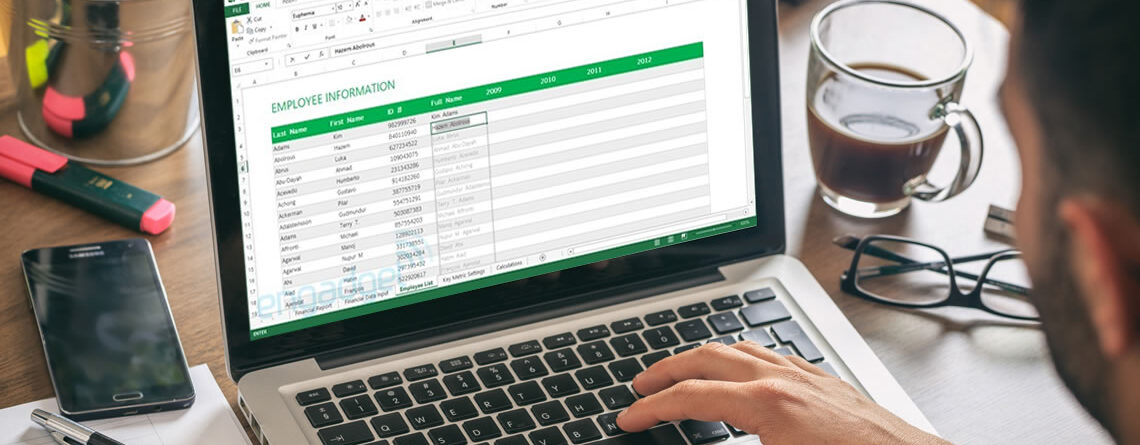
Instead, digital platforms provide structured, complete records.
How WEEE Manager Helps Maintain Compliant Waste Records
WEEE Manager allows waste businesses to:
- Store digital waste transfer notes securely
- Maintain long-term audit-ready records
- Access documentation instantly
- Provide compliance evidence during inspections
- Ensure data is structured correctly
Proper digital waste management protects your business long term. Find out how WEEE Manager can help your business stay complaint here
Transform Your Waste Management Today
Join hundreds of businesses using our platform to simplify WEEE compliance, reduce costs, and save time.
No credit card required • Free consultation • Quick setup
Tags
Start Your Digital Waste Tracking Journey
Get started with professional waste management software. Request a demo or schedule a callback to learn more.