Is Excel or PDF Waste Documentation Compliant in 2026?
Ready to Streamline Your WEEE Management?
See how WEEE Manager can help your business stay compliant and efficient.
Many waste businesses currently use spreadsheets, emailed PDFs or manually generated documents to manage waste transfer notes.
With the UK Digital Waste Tracking (DWT) rollout approaching, a common question is:
Will Excel waste transfer notes or PDF waste documents still be compliant in 2026?
The short answer is: No, standalone Excel spreadsheets and PDF files will not meet mandatory Digital Waste Tracking requirements once enforcement begins.
Let’s break down why.
What Is Considered Compliant Waste Documentation in 2026?
Under the upcoming UK Digital Waste Tracking rules, waste documentation must:
- Be digitally recorded within the official Digital Waste Tracking system
- Create a traceable audit trail
- Track waste movements from producer to final destination
- Be accessible to regulators
- Be securely stored and verifiable
Simply creating a spreadsheet or emailing a PDF waste transfer note does not meet these requirements.
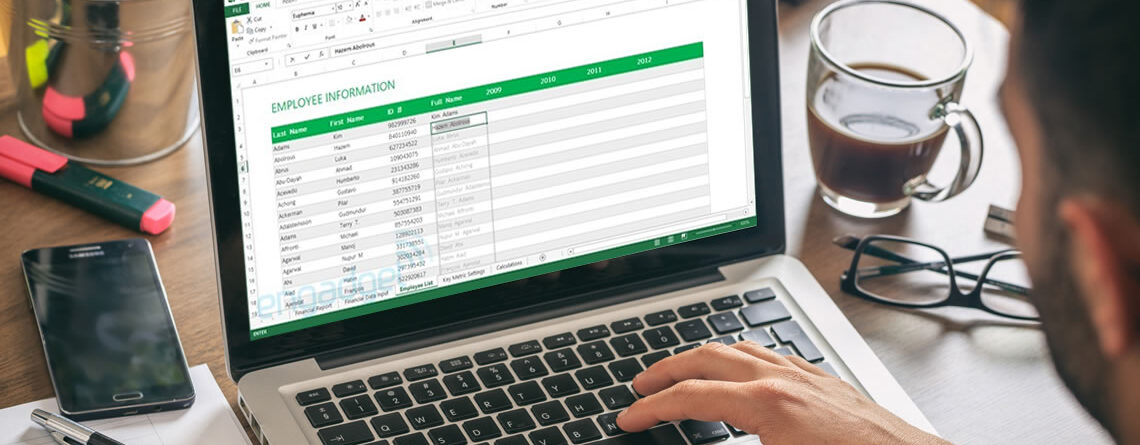
Are Excel Waste Transfer Notes Compliant?
Many small waste carriers currently use Excel spreadsheets to record:
- Waste types
- EWC codes
- Customer details
- Collection dates
- Vehicle registration numbers
However, Excel:
- Is not a regulated digital tracking system
- Does not create centralised traceability
- Can be edited without audit logs
- Is not integrated with the national Digital Waste Tracking Service
Once DWT becomes mandatory, Excel waste documentation alone will not be legally compliant.
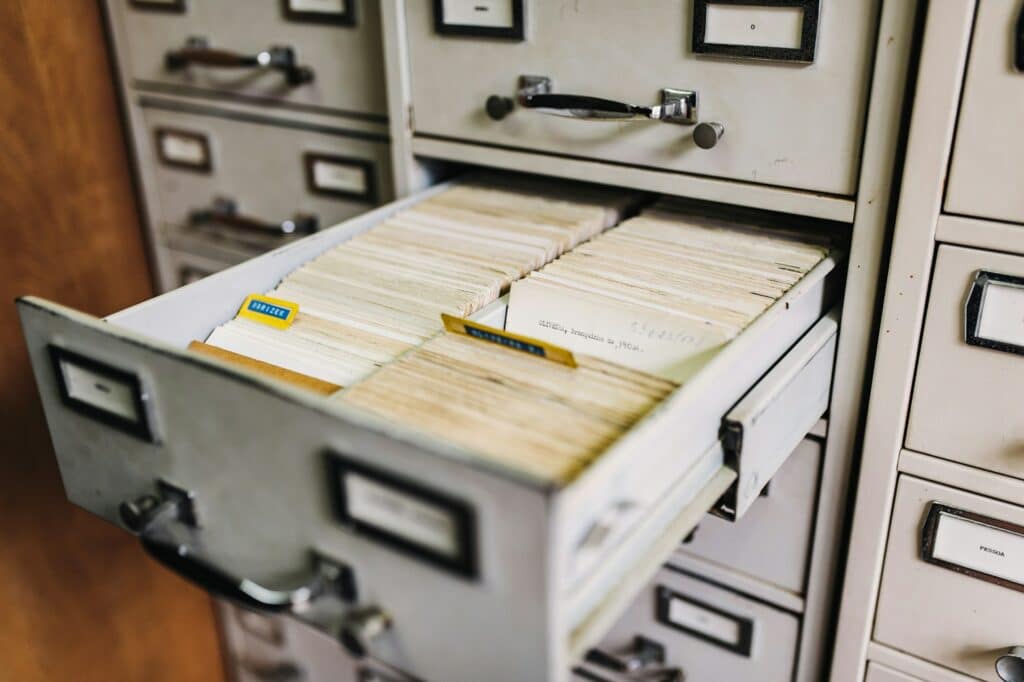
Are PDF Waste Transfer Notes Compliant?
PDF waste transfer notes are slightly more secure than handwritten notes, but they still fall short of compliance once Digital Waste Tracking is enforced.
PDFs:
- Do not create real-time traceability
- Are not logged within the national digital system
- Cannot provide automatic audit trails
- May not be accepted by permitted waste sites once DWT is mandatory
A PDF attached to an email does not equal compliant digital waste tracking.
What Happens If You Continue Using Excel or PDF Waste Notes?
If your business continues using Excel spreadsheets or PDF waste transfer notes after your compliance deadline:
- Waste sites may refuse your loads
- You risk non-compliance penalties
- You may fail regulatory inspections
- Your documentation could be considered invalid
Waste management compliance is moving beyond simple digital files. It now requires structured digital tracking.
What Is the Difference Between Digital Files and Digital Waste Tracking?
There is a major difference between:
• A digital document
and
• A compliant digital waste tracking system
A digital document is simply a file.
A compliant digital waste tracking system:
- Logs waste movements in a traceable structure
- Links carriers, brokers and receiving sites
- Maintains tamper-resistant records
- Aligns with government DWT requirements
That distinction will matter from 2026 onwards.
How Waste Businesses Should Prepare
To remain compliant with UK waste management regulations, businesses should:
- Transition away from spreadsheets and manual PDFs
- Implement a proper digital waste management system
- Ensure drivers can log waste movements digitally
- Store records in an audit-ready environment
Preparing early avoids disruption when enforcement begins.
How WEEE Manager Supports Digital Waste Compliance
WEEE Manager helps waste carriers, WEEE recyclers and waste management businesses:
- Create compliant digital waste transfer notes
- Track waste movements in real time
- Maintain secure, accessible records
- Prepare for the 2026 Digital Waste Tracking deadline
Switching now means no last-minute scramble. Find out more here.
Transform Your Waste Management Today
Join hundreds of businesses using our platform to simplify WEEE compliance, reduce costs, and save time.
No credit card required • Free consultation • Quick setup
Tags
Start Your Digital Waste Tracking Journey
Get started with professional waste management software. Request a demo or schedule a callback to learn more.